
Hiking Angel Rocks in Fairbanks, Alaska is one of those trails that quietly humbles you before it rewards you.
In May 2020, on a sunny afternoon around 1PM, I stepped onto this trail with my sister , not fully prepared, in casual shoes, carrying a speaker, and very aware that I was stepping out of my comfort zone.
Three to four hours later, legs sore and lungs tested, I understood why Angel Rocks is one of the most talked-about hikes inside Chena River State Recreation Area.
If you're wondering:
- Is Angel Rocks hard?
- Is it worth it?
- Can beginners do it?
- What should you expect?
This guide breaks it down , distance, elevation, what the climb actually feels like, mosquito reality, and whether those granite formations live up to the hype.
Spoiler: they do.

Trail Overview
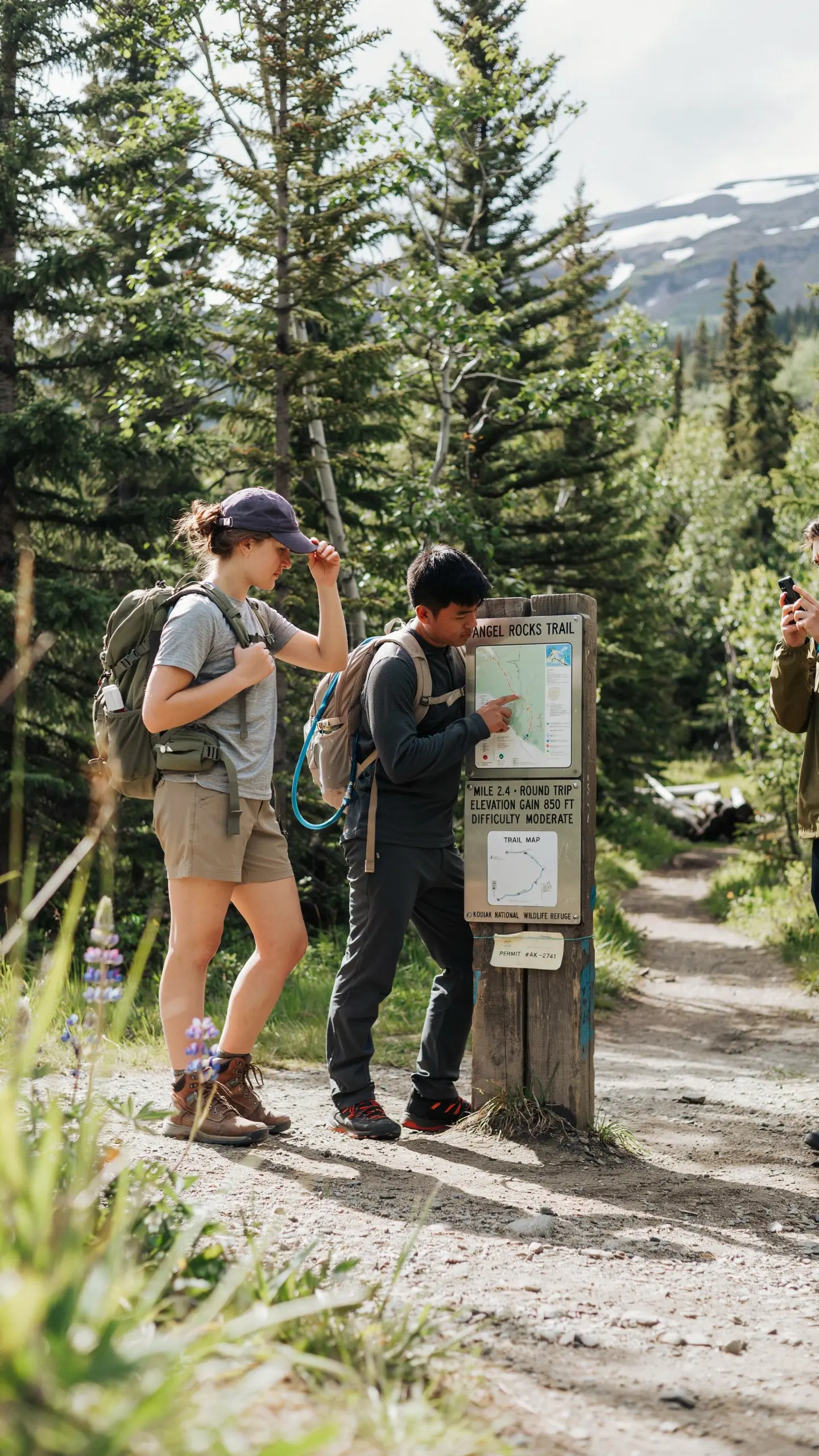
Angel Rocks is a 3.5–3.6 mile loop trail (with an option to go out-and-back), gaining roughly 900–957 feet in elevation and topping out around 1,750 feet above sea level.
From Fairbanks, it’s about a 49-mile drive northeast along Chena Hot Springs Road.
Here’s what that really means in real life:
- Time to summit (granite tors): About 1.5 hours
- Total hike time: 3–4 hours
- Steepness level: About a 7/10 during the climb
- Beginner friendly? Yes , but don’t underestimate it
- Wrong shoes test? I wore casual shoes. I felt it.
The hike begins gently, flat, wide, and peaceful along the North Fork Chena River. It almost tricks you into thinking this is going to be easy.
Then it climbs.
Switchbacks. Loose gravel. A steady incline that makes you breathe differently.
About an hour in, it “opens up.” You see hikers descending from a rock formation ahead. They tell you “good luck.”
That’s when you realize you’re only halfway.
And somehow, that makes you push harder.
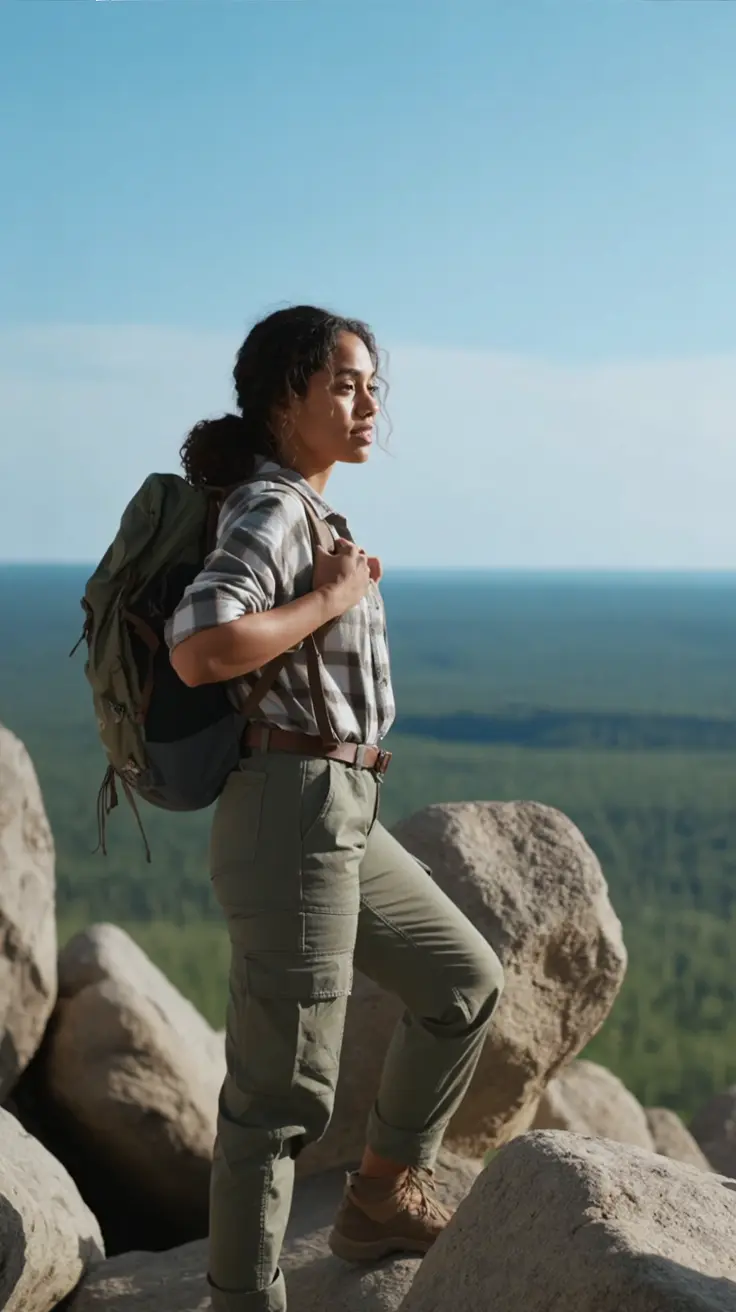
At the top, you’re rewarded with massive granite tors rising from the forest floor, dramatic, sculpted rock formations that feel like nature paused mid-creation.
The views?
Breath taking.
It genuinely felt like hiking inside a painting.
Getting There + First Impressions
That’s where we’ll layer in:
- The long scenic drive
- Easy parking
- Not paying the $5 fee
- Salmon sighting
- Mosquito reality by the river
- The “stepping out of my comfort zone” energy
Getting There
Angel Rocks sits about 49 miles northeast of Fairbanks, tucked inside Chena River State Recreation Area along Chena Hot Springs Road.
The drive itself is part of the experience.

Long. Quiet. Scenic in that understated Alaska way , endless trees, open sky, and stretches where it feels like you’re driving toward the edge of the map. My sister and I drove our own car, windows cracked, music low, not fully sure what we’d signed up for.
When we arrived around 1PM, parking was easy. No chaos. No circling. Just a straightforward pull-in and step-out moment.
There’s typically a $5 day-use fee per vehicle, though we never paid for parking during our visit. Facilities at the trailhead include restrooms and picnic tables, making it a solid starting point before you head into the woods.
Pro tip: Summer weekends can get busy. If you're hiking June–August, aim for morning.
First Impressions
The first step onto the trail felt bigger than it should have.
Not because it looked intimidating , it didn’t.
The opening section is calm. Wide path. Spruce and birch trees. The North Fork Chena River running alongside you. It’s quiet in a peaceful way , except we brought a speaker.
Yes. We were those hikers.
We played music, sang, talked, even screamed at times , the kind of energy that comes when you’re doing something slightly outside your comfort zone but leaning into it anyway.
And that’s exactly what this hike felt like for me.
A stretch.
A decision.
The river section itself wasn’t surprising terrain-wise, but it delivered one small Alaska moment: salmon in the water. Random. Noticeable. The kind of wildlife encounter that makes you pause for a second and remember where you are.
Mosquitoes were active near the river , especially in May , but once we started climbing, they faded.
Crowds? None at the start. It felt open and unpressured. Just us, the trail, and whatever was waiting above.
And at that point, we still thought the hike was going to be “light.”
We were wrong.
Step-by-Step Trail Guide
Angel Rocks doesn’t punch you in the face immediately.
It warms you up first.
0 – 0.8 Miles: The Calm Before the Climb
The first stretch runs flat along the North Fork Chena River. It’s wide, forgiving, almost peaceful enough to lull you into false confidence.
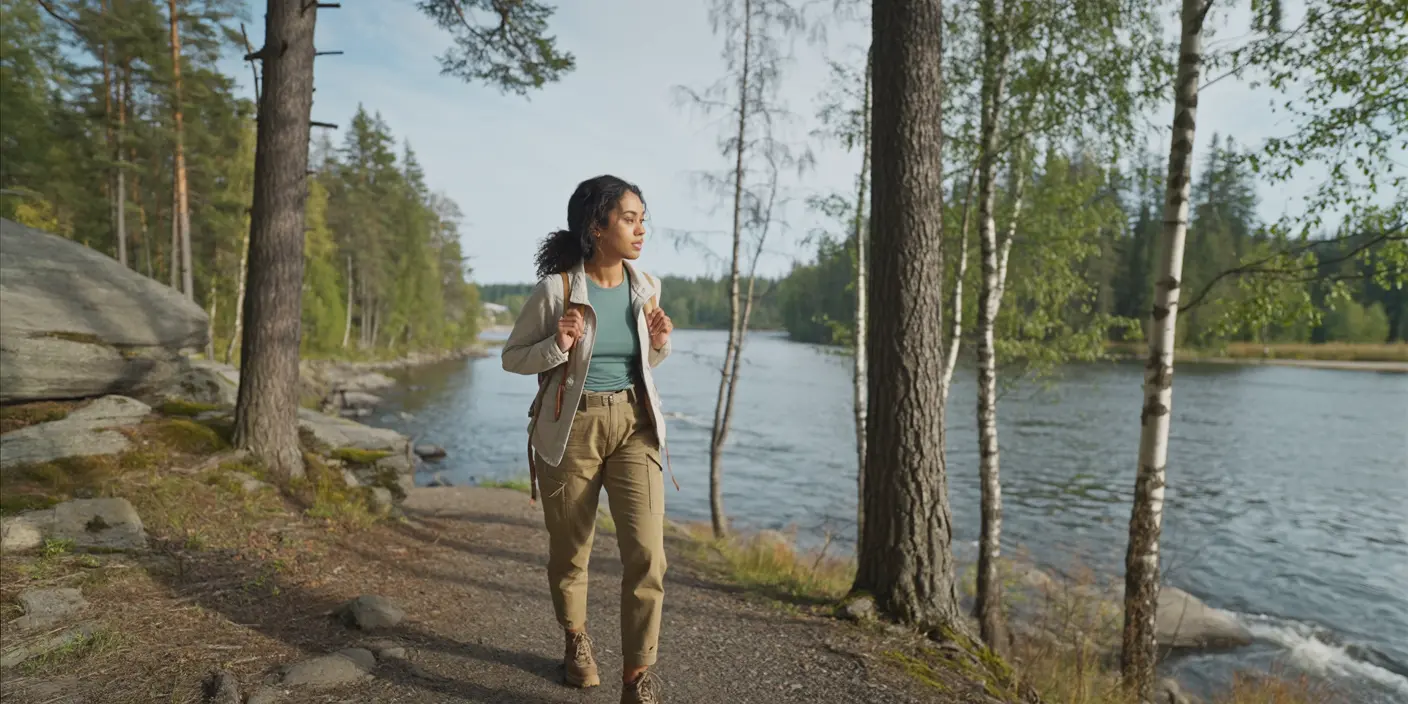
This section is easy walking. Trees line the trail. The river moves quietly beside you. If you’re hiking in late spring or summer, this is where mosquitoes will test your patience.
For us, this part felt social.
We were talking, playing music, singing. It didn’t feel intense. It felt like a long walk.
Then you reach the loop junction.
Go right (counterclockwise). It’s generally the better direction for footing and flow.
And that’s where the real hike begins.
0.8 – 1.6 Miles: The Climb
This is where Angel Rocks shows its personality.
The incline hits gradually at first, then settles into a steady, honest climb. On paper, it’s around 900+ feet of elevation gain. In casual shoes? It feels very real.
I’d rate it a 7 out of 10 in intensity.
Not brutal.
But enough to make you breathe differently.

The terrain shifts to loose gravel and shale in sections. There are short boardwalk stretches and manageable switchbacks that snake upward through stunted spruce forest.
We powered through it, but it wasn’t effortless.
About an hour in, something happens.
The forest opens slightly. You see hikers descending from a rock formation ahead. They look relaxed. Victorious. They tell you:
“Good luck.”
That’s when it hits you.
You’re only halfway.
And mentally? That’s tougher than the incline.
But we didn’t stop. We talked. Sang. Screamed. Kept climbing. The wrong shoes made every step more noticeable, but not impossible.
And about an hour and a half after starting, the granite tors finally came into view.
The Granite Tors (Around 1.5 Miles In)
You don’t ease into them.
They just appear.
Massive, sculpted rock formations rising out of the forest like something ancient and deliberate.
My first thought?
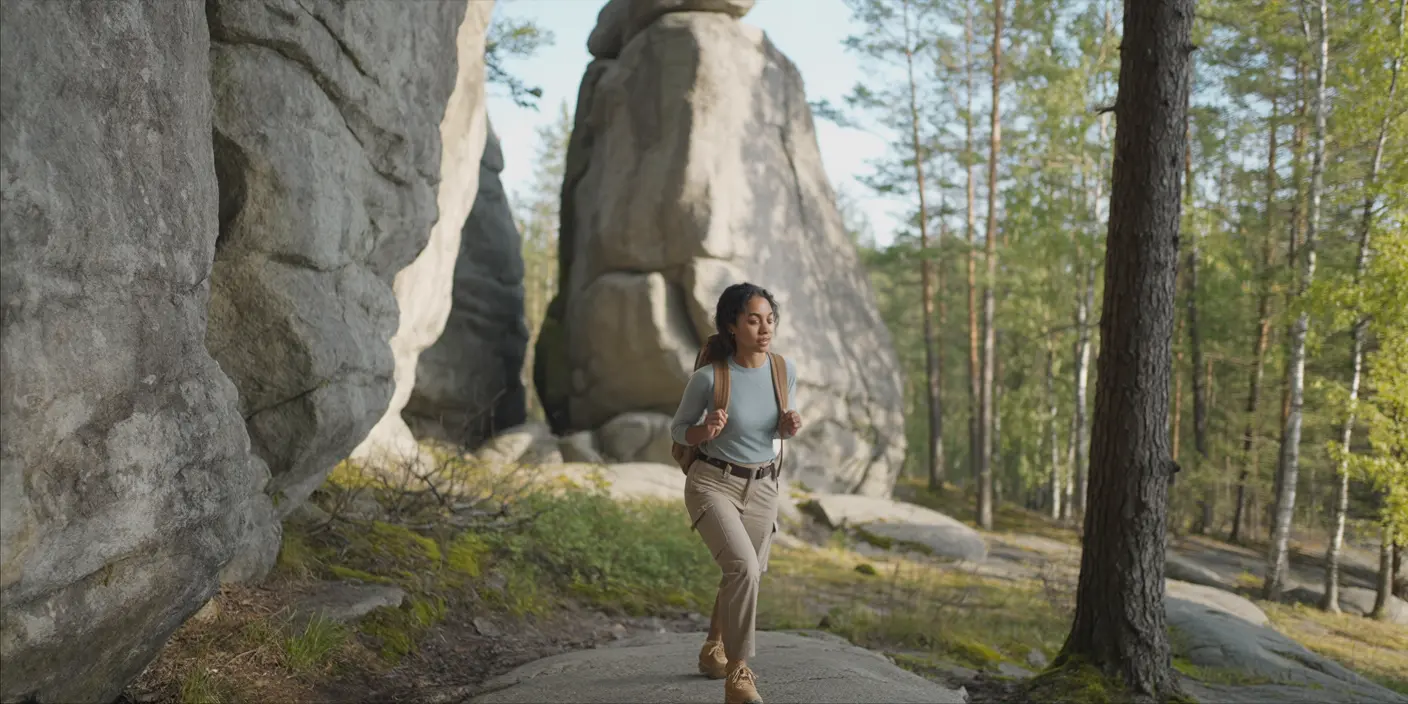
“This is high.”
Not dramatic. Just honest.
We didn’t scramble to the very top , some sections can feel technical and exposed , but we explored the area, walked around the base, and found safe vantage points.
Breath taking.
It genuinely felt like hiking inside a painting. Endless green valleys. Rolling terrain. Big Alaska sky. The kind of view that makes the climb instantly make sense.
We took photos.
We sat.
We absorbed it.
And for a moment, the sore legs didn’t matter.
The Return
The descent is easier on your lungs but harder on your legs.
We didn’t encounter mud on our loop, but conditions can vary, especially later in summer or after rain. If you prefer, you can always backtrack instead of completing the loop.
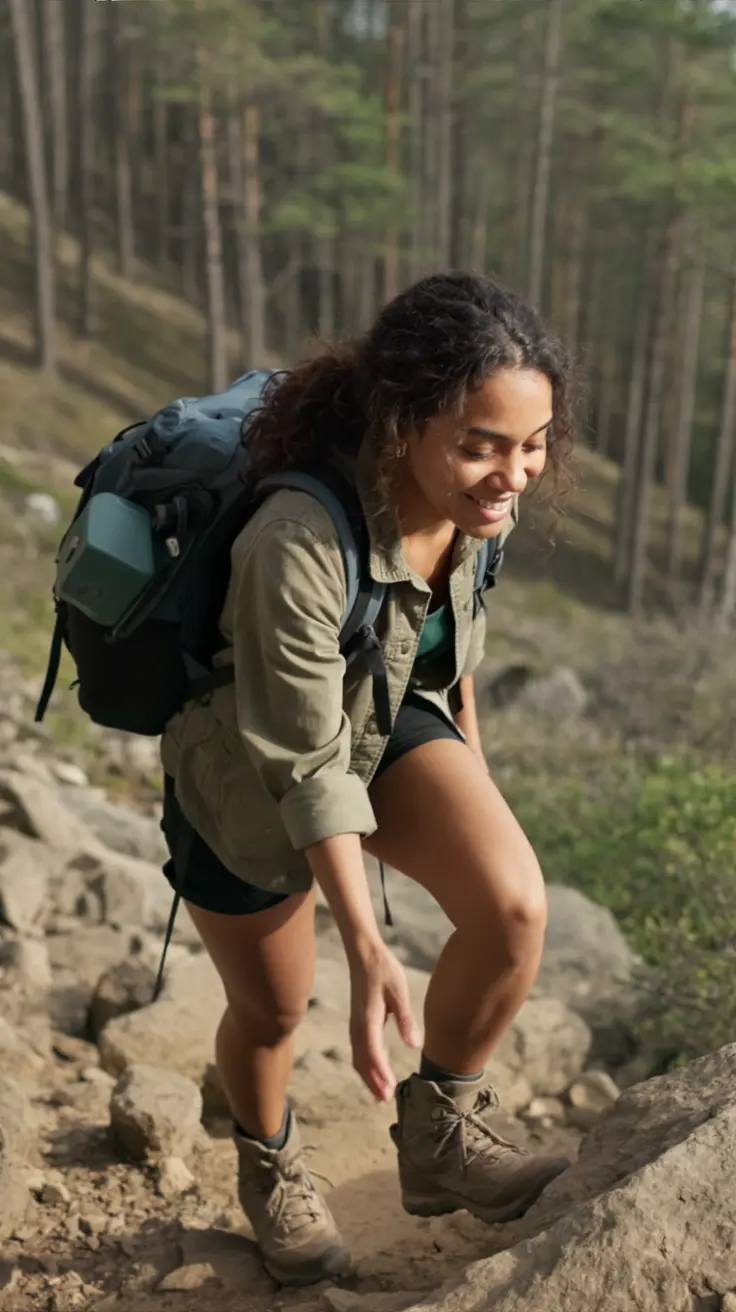
By the time we reached the river section again, it felt different.
Quieter. Slower.
Three to four hours after starting, we were back at the car , tired, slightly sore, but accomplished.
Difficulty & Preparation
Angel Rocks is rated easy to moderate, and that’s fair.
But here’s the honest version.
It’s not technically difficult. There are no ropes, no cliffside ledges you must cross, no advanced route-finding. The trail is well-defined. The switchbacks are manageable. You feel safe.
I felt safe the entire time.
What makes it challenging is the steady incline and loose terrain during the climb.
About 900–957 feet of elevation gain over 1.5 miles means your legs are working. Especially if you’re wearing casual shoes like I was.
Big mistake.
Casual sneakers on loose shale make every step more noticeable. You don’t feel unstable , but you definitely feel unsupported. If I could redo one thing, it would be wearing proper hiking boots with grip.
What Makes It Feel Harder Than It Looks

- The mental moment when you realize you’re only halfway.
- The 7/10 incline that quietly drains you.
- Loose gravel sections.
- The temptation to underestimate it because the beginning feels easy.
Physically, it’s achievable for most people with average fitness. But mentally, it demands commitment.
And the descent?
Your legs will feel it the next day. Mine were sore , not injured, just reminded.
Who This Hike Is Perfect For
- Anyone who genuinely enjoys nature.
- People looking for peace of mind.
- First-time Alaska hikers wanting something scenic but doable.
- Those who want a rewarding summit without technical climbing.
It’s the kind of hike where effort meets payoff in a clean ratio.
Who Might Struggle
You said “everybody,” and honestly, that’s not far off.
Not because it’s extreme.
But because it challenges you differently.
- If you hate steady uphill walking.
- If you’re underprepared.
- If you don’t like realizing you’re only halfway when you thought you were almost done.
- If you show up in casual shoes.
Preparation matters more than strength here.
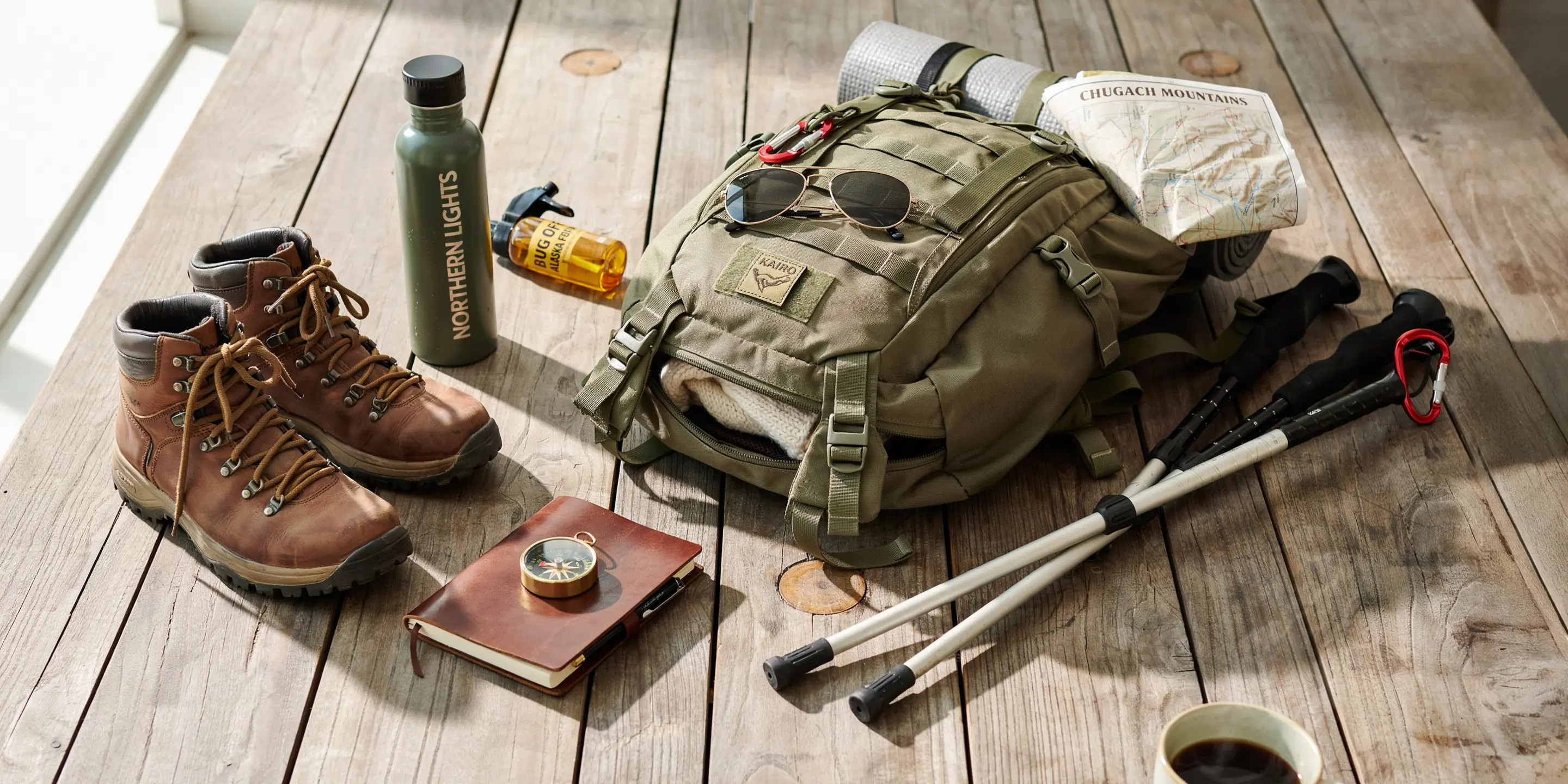
Recommended Gear
- Hiking boots with grip (learn from me).
- Trekking poles (helpful for descent).
- Water (no reliable refill points).
- Bug spray (mosquitoes near the river are real).
- Bear spray (standard Alaska precaution).
- Layers, weather can shift.
- Sunglasses & sun protection (exposed summit).
The trail isn’t stroller-friendly, and while kids and dogs are common, supervision is key near the rock formations.
Best Time to Hike Angel Rocks
Angel Rocks is accessible most of the year, but the experience shifts dramatically by season.
I went in May 2020.
Sunny. No snow. Clear trail. Manageable crowds. Mosquitoes near the river , but not overwhelming once we started climbing.
Late spring gave us that perfect balance: fresh greenery, cool air during the climb, and dry terrain.
Here’s how each season plays out:
Summer (June–August)
This is peak season.

- Long daylight hours (Alaska summer light hits different).
- Warmer temperatures.
- More hikers.
- Mosquitoes at full strength , especially near the river.
If you go in summer, bring serious bug spray and start early to avoid parking congestion.
The upside? The views are vibrant and the trail is typically dry.
Fall (Late August–September)
This might be the sweet spot.
- Fewer bugs.
- Cooler air.
- Fall colors spreading through the valley.
- Blueberries along the trail.
Wildlife activity increases, so awareness matters more , but the scenery becomes dramatic.
Winter
Angel Rocks turns into a completely different hike.
- Snow-covered trail.
- Microspikes or snowshoes required.
- Shorter daylight hours.
- Silence amplified.
It’s beautiful , but significantly more demanding.
Spring (April–May)
This is when I went.
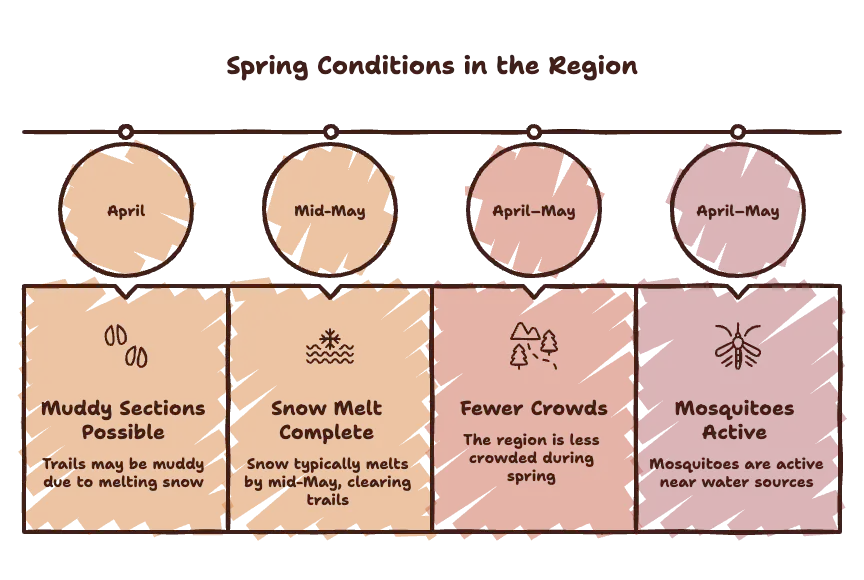
- Possible muddy sections (though we didn’t encounter any).
- Snow typically melted by mid-May.
- Fewer crowds.
- Active mosquitoes near water.
Spring feels raw and open. You don’t get peak crowds, and the trail feels more personal.
So When Is the Best Time?
If you want ideal conditions with fewer mosquitoes and great scenery:
Late August to early September.
If you want long daylight and lively energy:
Mid-summer.
If you want fewer crowds and don’t mind some bugs:
May works , it worked for us.
Essential Tips & What to Expect
Angel Rocks isn’t extreme.
But Alaska doesn’t play.
Here’s what you should realistically expect , and what I learned the hard way.
Gear You’ll Actually Be Glad You Brought

1. Proper hiking shoes or boots.
Casual shoes will get you through it , I did it , but you’ll feel every loose rock. Grip matters on the climb and especially on the descent.
2. Water.
There are no reliable refill stations on the trail.
3. Bug spray.
Mosquitoes were bad near the river in May. Once we climbed, they eased up , but the opening section is their territory.
4. Bear spray.
Standard precaution in Alaska. We didn’t encounter bears, but wildlife is always possible.
5. Layers.
Even on a sunny day, elevation and wind at the rocks can shift the temperature.
6. Trekking poles (optional but smart).
Your knees will thank you on the way down.
Wildlife & Safety
We saw salmon in the river , random, but noticeable. A reminder you’re in Alaska, not a suburban park.
Other hikers report:
- Moose sightings
- Occasional bear activity
- Small wildlife near the forest edge
I felt safe the entire time. The trail is clear and well-traveled. But there’s limited cell service, so let someone know your plan before heading out.
If you’re hiking with music (like we did), keep volume respectful and stay aware of your surroundings.
What the Summit Actually Feels Like
Expect:
- Other hikers gathering near the tors.
- People taking photos.
- Occasional climbers testing the rock.
- Open-air exposure , nothing terrifying, but enough to command respect.
We didn’t scramble to the highest point, but even exploring the base delivered incredible views.
It’s not a “stand on a tiny cliff” kind of summit.
It’s expansive.
Wide.
Breathing room.
What Surprises Most People
- The incline feels more real than it looks online.
- The halfway moment can mess with your head.
- The hike feels longer on the way up , shorter on the way down.
- Your legs will likely be sore the next day.
- The view makes you forget all of that instantly.
Final Verdict: Is Hiking Angel Rocks Worth It?
Yes.
But not because it’s easy.
Hiking Angel Rocks in Fairbanks is worth it because it quietly challenges you , and then rewards you in full.
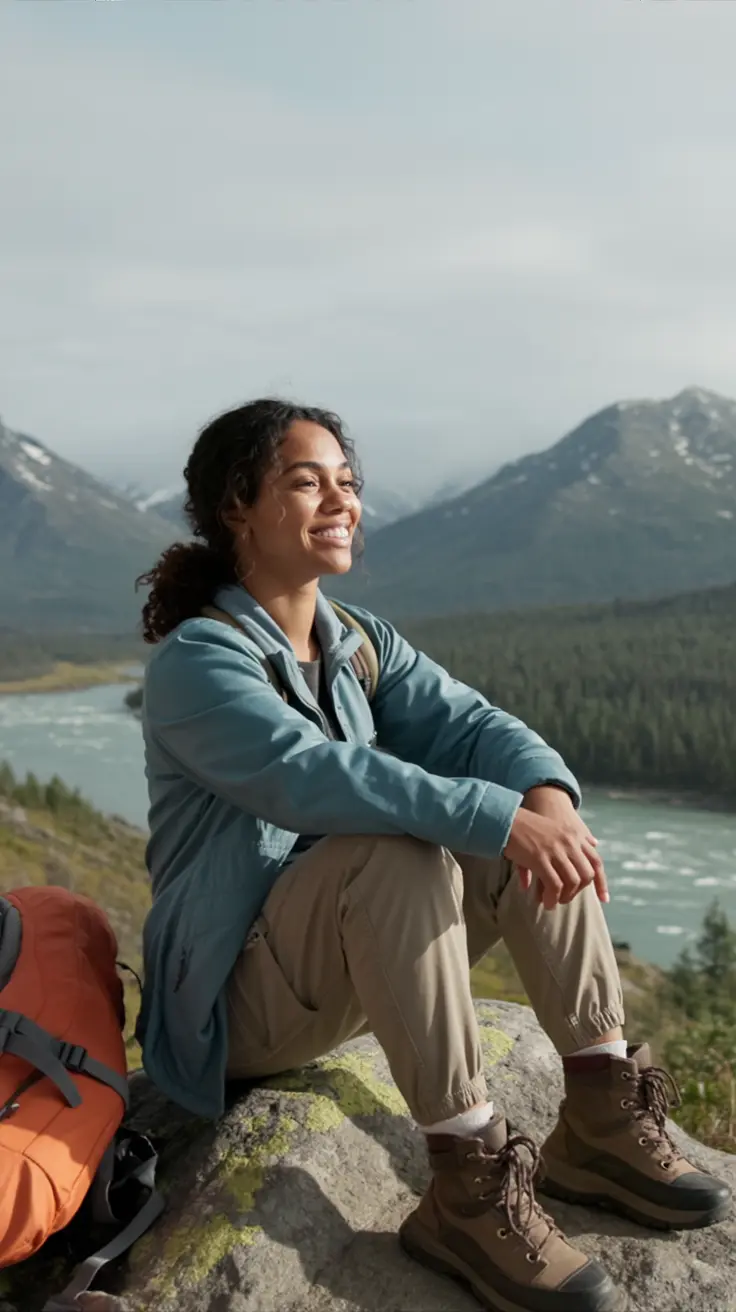
In May 2020, I stepped onto that trail with casual shoes, a speaker, and the mindset of someone stepping out of their comfort zone. I left with sore legs, better perspective, and one of the most cinematic views I’ve experienced in Alaska.
The climb is steady.
The halfway moment tests you.
The incline makes you breathe differently.
But when those granite tors rise out of the forest and the valley opens up beneath you, it clicks.
It felt like hiking inside a painting.
Would I hike it again?
Yes.
With better shoes.
Who Should Hike Angel Rocks
- Nature lovers who want peace of mind.
- Travelers visiting Fairbanks looking for a rewarding half-day adventure.
- Beginner-to-intermediate hikers ready for a manageable challenge.
- Anyone who enjoys earning their views.
Who Might Want to Reconsider
- Those who dislike steady uphill climbs.
- Anyone unprepared for 900+ feet of elevation gain.
- Hikers expecting a flat scenic stroll.
It’s not extreme.
But it’s honest.
One Sentence Summary
If you’re a nature lover, Angel Rocks offers the kind of views that make the climb completely worth it.
And maybe that’s the real point of this hike.
It stretches you just enough , and then reminds you why you came.

Leave a comment
Your email address will not be published. Required fields are marked *